Sunset Lanes / Journal
Comprehensive Guide to Endometriosis Excision Surgery by Leading Obstetricians & Gynecologists
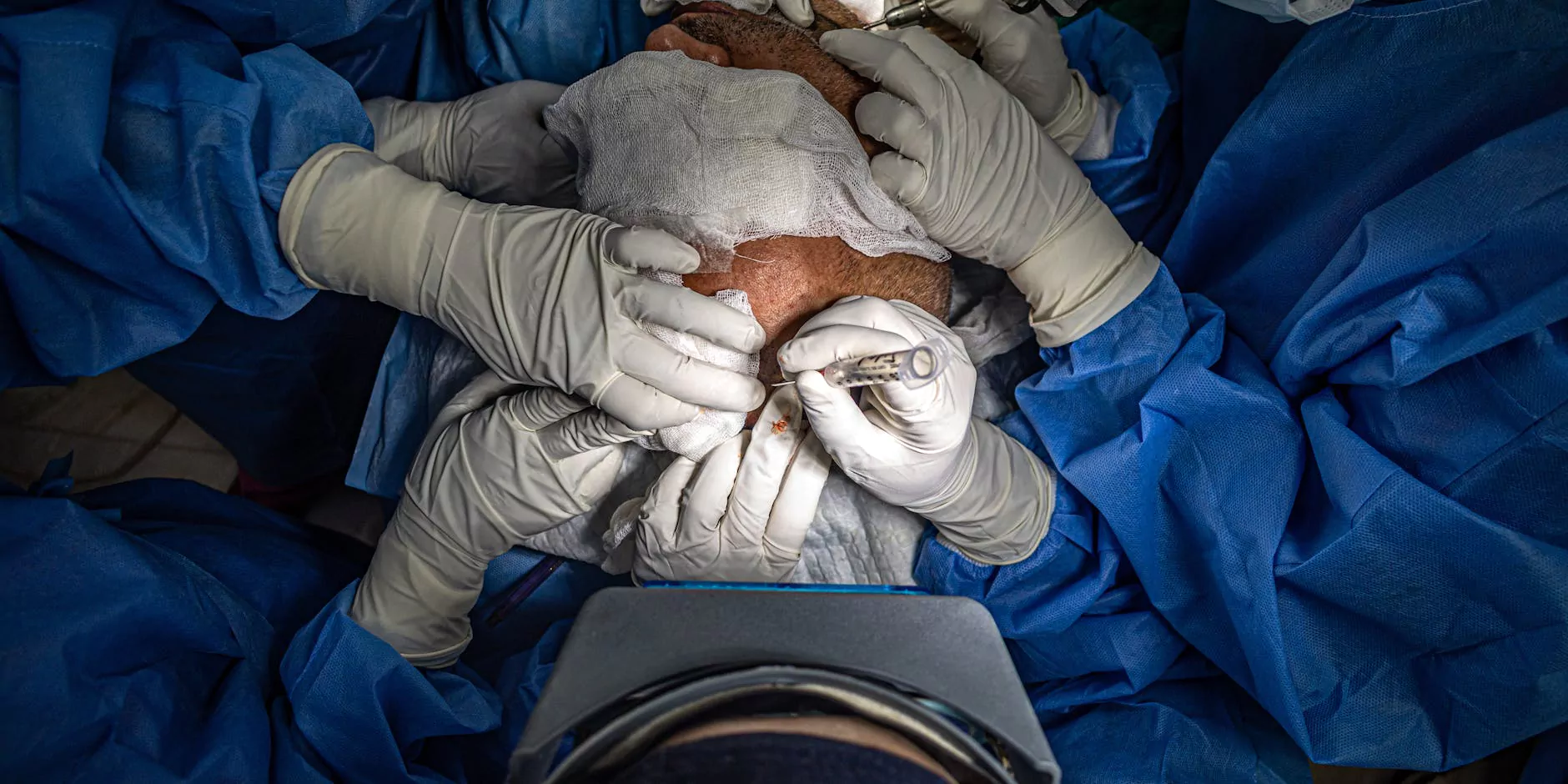
Endometriosis is a complex and often debilitating condition that affects millions of women worldwide. Characterized by the presence of tissue similar to the uterine lining growing outside the uterus, it can cause chronic pain, fertility issues, and a significant impact on quality of life. Advances in surgical techniques, particularly endometriosis excision surgery, have revolutionized the management of this condition, offering hope and relief to many women.
Understanding Endometriosis: Causes, Symptoms, and Diagnosis
To appreciate the importance of effective treatment, it is vital to understand what endometriosis entails. Essentially, endometrial-like tissue implants on organs within the pelvic cavity, including the ovaries, fallopian tubes, and the pelvic lining. These tissue implants respond to hormonal fluctuations, leading to bleeding, inflammation, and scar formation.
Causes of Endometriosis
- Retrograde Menstruation: Backward flow of menstrual blood carrying endometrial cells into the pelvic cavity.
- Genetic Factors: Family history can increase risk.
- Immune System Dysfunction: Impaired ability to clear ectopic endometrial tissue.
- Environmental Influences: Exposure to toxins might play a role.
Common Symptoms of Endometriosis
- Pelvic Pain: Often severe, especially during periods or ovulation.
- Menstrual Irregularities: Heavy bleeding or irregular cycles.
- Chronic Pain: Lower back, abdominal, or pain during intercourse.
- Infertility: Difficulty conceiving due to endometrial tissue affecting reproductive organs.
Diagnosis of Endometriosis
Accurate diagnosis involves a combination of clinical evaluation, imaging techniques such as ultrasound or MRI, and ultimately, minimally invasive procedures like diagnostic laparoscopy. Excision surgery often serves both as a diagnostic and therapeutic procedure, providing definitive treatment.
The Role of Expert Obstetricians & Gynecologists in Managing Endometriosis
Specialized obstetricians and gynecologists with extensive experience in treating endometriosis utilize a multidisciplinary approach. The goal is not only symptom relief but also restoring reproductive health and improving overall quality of life. At drseckin.com, highly qualified clinicians employ the latest surgical techniques to address this complex condition comprehensively.
What is Endometriosis Excision Surgery? An In-Depth Overview
Definition and Purpose
endometriosis excision surgery involves surgically removing endometrial tissue implants from affected organs and tissues within the pelvis. Unlike ablation, which destroys the surface of endometrial lesions, excision aims to completely remove lesions, including infiltrative deposits, with the highest precision. This approach significantly reduces the risk of recurrence and improves symptom management.
Benefits of Excision Surgery for Endometriosis
- Effective Pain Relief: Significantly reduces chronic pelvic pain.
- Enhanced Fertility: Improves chances of conception by clearing blockages and restoring normal anatomy.
- Reduction in Disease Recurrence: Complete excision lowers the likelihood of lesion regrowth.
- Long-term Management: Provides durable symptom control compared to conservative treatments.
The Surgical Procedure: What to Expect
Performed under general anesthesia, endometriosis excision surgery involves small incisions and the use of advanced laparoscopic equipment. The surgeon meticulously identifies and excises all visible endometrial implants, adhesions, and ovarian endometriomas. Modern techniques enable precise removal while preserving surrounding healthy tissue, minimizing complications, and promoting faster recovery.
Why Choose Excision Over Ablation?
While both are minimally invasive, excision has demonstrated superior outcomes in symptom relief and reducing recurrence rates. It allows for a thorough removal of infiltrative and deep lesions that surface destruction methods might leave behind, making it the preferred approach for severe or advanced endometriosis cases.
Advances in Endometriosis Surgery: The Cutting-Edge Techniques
At the forefront of endometriosis excision surgery are innovations such as high-definition video laparoscopy, laser-assisted excision, and robotic surgery. These advancements afford surgeons enhanced visualization, precision, and control, leading to better outcomes.
Laser-Assisted Excision
Utilizes focused laser energy to precisely cut and remove endometrial tissue with minimal collateral damage, reducing postoperative pain and scarring.
Robotic Surgery
Offers improved dexterity, 3D visualization, and enhanced ergonomics for surgeons, leading to more meticulous excision, especially in complex cases with extensive disease.
Postoperative Care and Long-Term Outcomes
After endometriosis excision surgery, comprehensive care involves pain management, hormonal therapy if needed, and lifestyle modifications. Follow-up appointments help monitor for recurrence and manage ongoing symptoms.
Many women experience a dramatic reduction in pain and improvements in fertility following surgery. Long-term studies indicate that complete excision can lead to sustained symptom relief, especially when combined with personalized medical management.
Choosing the Right Specialist for Your Endometriosis Treatment
Successful management of endometriosis hinges on the expertise of the surgeon and comprehensive care team. Leading hospitals and clinics, such as the ones featured at drseckin.com, employ specialists with extensive training in minimally invasive gynecologic surgery and endometriosis management.
What to Look for in Your Surgeon
- Specialized Training: Board-certified obstetricians & gynecologists with specific focus on endometriosis.
- Experience: Proven track record in performing endometriosis excision surgeries.
- Advanced Techniques: Use of robotic or laser-assisted methods.
- Patient-Centered Approach: Emphasis on individualized care plans.
Empower Your Health: Comprehensive Strategies Beyond Surgery
While surgery can be transformative, combining surgical treatment with lifestyle changes, dietary adjustments, pain management, and fertility support optimizes outcomes. Regular follow-up and ongoing communication with your healthcare provider are essential components of long-term management.
Why Early Intervention Matters
Delaying treatment can lead to worsening of symptoms, increased scar tissue formation, and further reproductive challenges. Early, accurate diagnosis coupled with timely endometriosis excision surgery can prevent disease progression, enhance quality of life, and improve fertility prospects.
Final Thoughts: Your Path to Relief and Reproductive Health
In conclusion, endometriosis excision surgery represents a significant advancement in the treatment of endometriosis, offering durable relief from pain and opening pathways to pregnancy for many women. Choosing a specialized, experienced obstetrician and gynecologist dedicated to minimally invasive techniques ensures you receive the highest standard of care.
At drseckin.com, expert physicians leverage cutting-edge technology and personalized treatment plans to deliver exceptional results in endometriosis management. Take the first step towards reclaiming your health by consulting with specialists who prioritize your well-being and reproductive future.