Sunset Lanes / Journal
Understanding Diagnostic Hysteroscopy: A Cutting-Edge Tool in Women's Gynecological Care
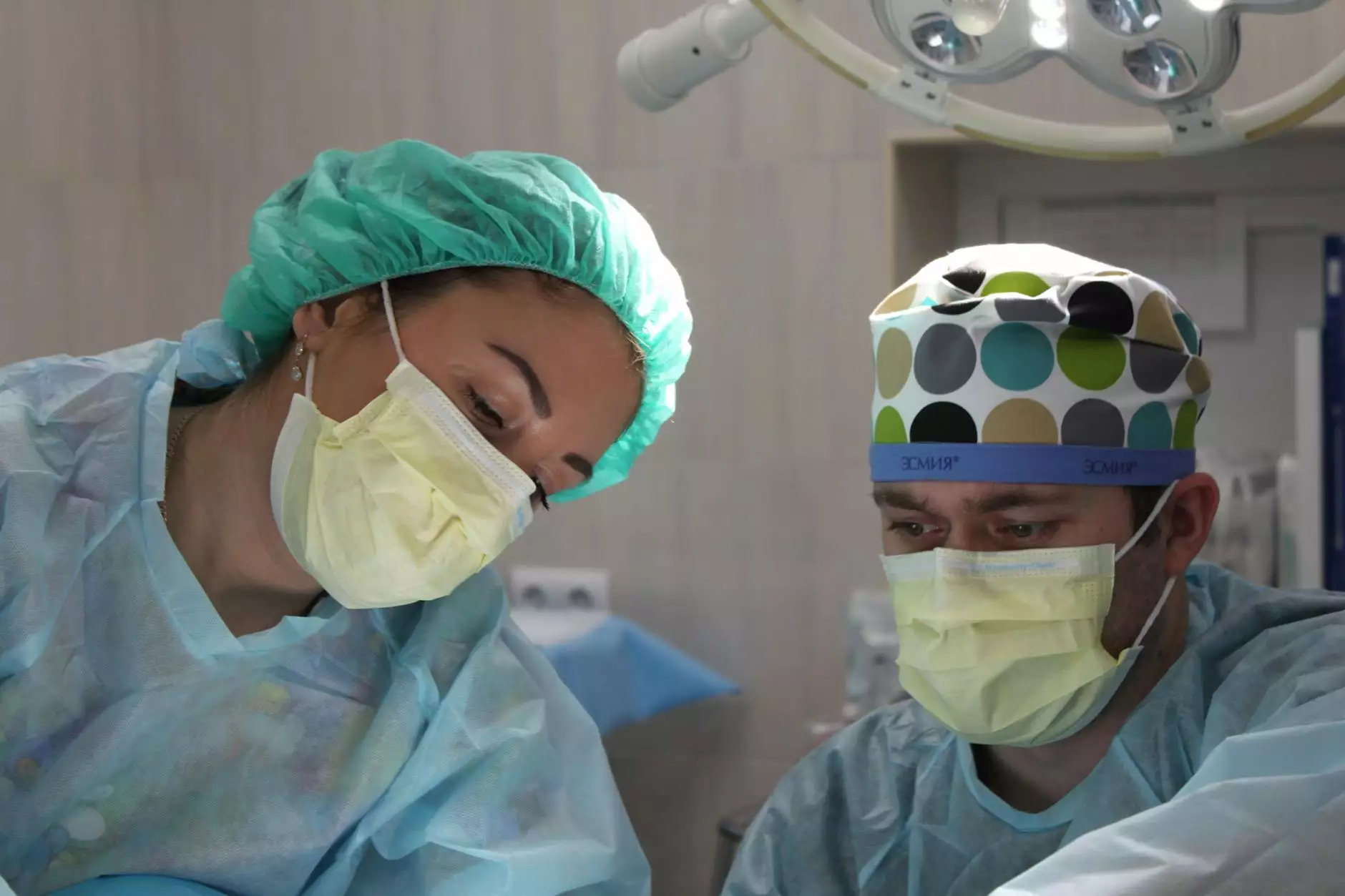
In the realm of modern obstetrics and gynecology, advancements in diagnostic and surgical techniques continue to improve patient outcomes, reduce invasiveness, and enhance the precision of treatments. Among these innovations, diagnostic hysteroscopy has emerged as a revolutionary procedure transforming the approach to diagnosing and treating intrauterine conditions. This comprehensive guide explores every facet of diagnostic hysteroscopy, highlighting its significance, procedural details, benefits, indications, and how it integrates into holistic women's healthcare.
What is Diagnostic Hysteroscopy?
Diagnostic hysteroscopy is a minimally invasive procedure that allows gynecologists to visualize the inside of the uterine cavity with a thin, telescope-like instrument called a hysteroscope. Unlike traditional methods, this technique provides real-time, direct visualization of intrauterine abnormalities, facilitating accurate diagnosis and guiding subsequent therapeutic interventions when necessary.
The Role of Diagnostic Hysteroscopy in Modern Gynecology
In recent years, diagnostic hysteroscopy has gained widespread acceptance in the field of gynecology owing to its safety, precision, and versatility. It bridges the gap between non-invasive imaging techniques like ultrasound and more invasive surgical procedures by offering direct and magnified visualization of the uterine cavity. This advancement plays a pivotal role in:
- Early detection of structural abnormalities
- Assessment of abnormal uterine bleeding
- Diagnosis of uterine adhesions or synechiae
- Evaluation of uterine polyps, fibroids, or septa
- Investigating infertility and recurrent pregnancy loss causes
- Guiding targeted biopsies for histopathological analysis
How Diagnostic Hysteroscopy is Performed
The procedure is generally performed on an outpatient basis, often with local anesthesia or conscious sedation, depending on patient preference and clinical indications. The key steps include:
- Preparation: The patient is positioned in lithotomy position, and the vaginal area is thoroughly cleaned.
- Insertion of Hysteroscope: A slim hysteroscope, which is usually less than 5 mm in diameter, is gently inserted through the cervix into the uterine cavity.
- Visualization and Inspection: The uterine cavity is distended with a sterile fluid, such as normal saline or carbon dioxide gas, to provide a clear view. The gynecologist meticulously examines the endometrial surface, looking for abnormalities.
- Additional Procedures: If abnormalities are detected, targeted biopsies or treatment interventions can be performed immediately.
- Completion: The hysteroscope is carefully removed, and the patient is monitored during recovery.
Advantages and Benefits of Diagnostic Hysteroscopy
Compared to traditional diagnostic methods like dilation and curettage (D&C) or blind biopsies, diagnostic hysteroscopy offers numerous advantages:
1. Enhanced Diagnostic Accuracy
Direct visualization ensures precise identification of intrauterine pathologies, minimizing misdiagnosis and enabling targeted treatment.
2. Minimally Invasive with Quick Recovery
The procedure's minimally invasive nature translates into reduced pain, fewer complications, and a rapid return to daily activities.
3. Immediate Therapeutic Interventions
Concomitant procedures, such as polyp removal or septum correction, can be performed during the same session, saving time and reducing the need for multiple hospital visits.
4. Reduced Risk of Incomplete Diagnoses
Unlike blind procedures, visual confirmation significantly decreases the likelihood of missing pathology.
5. High Patient Tolerance and Safety
Most patients tolerate the procedure well, especially with proper analgesia and sedation, and the risk of complications like uterine perforation or infection remains very low.
Clinical Indications for Diagnostic Hysteroscopy
Understanding when to employ diagnostic hysteroscopy is crucial for optimal clinical outcomes. Typical indications include:
- Abnormal uterine bleeding, particularly in premenopausal and postmenopausal women
- Evaluation of infertility or recurrent pregnancy loss
- Suspected intrauterine adhesions or Asherman’s syndrome
- Persistent or abnormal uterine morphology detected on ultrasound or hysterosonography
- Investigation of suspected uterine polyps, fibroids, or septa
- Assessment after failed medical or surgical treatments for intrauterine pathology
- Checking uterine cavity prior to in vitro fertilization (IVF)
Comparison between Diagnostic Hysteroscopy and Other Techniques
While ultrasound and hysterosonography are valuable screening tools, they lack the direct visualization capability of hysteroscopy. Conversely, blind procedures like D&C do not allow for targeted examination and may miss lesions. Here’s a comparative overview:
TechniqueVisualizationInvasivenessAdvantagesLimitationsUltrasound / HysterosonographyIndirectNon-invasiveGood initial screening, non-invasiveLacks direct visualization, less precise for diagnosisDilation and Curettage (D&C)Blind procedureModerately invasiveSample collection for histologyPotentially misses localized lesions, higher complication risksDiagnostic HysteroscopyDirect (visual)Minimally invasivePrecise diagnosis, immediate treatment optionsRequires technical expertise, equipment availabilityThe Role of Diagnostic Hysteroscopy in Treating Gynecological Conditions
While primarily used for diagnosis, diagnostic hysteroscopy often transitions seamlessly into therapeutic procedures. For example, detection of polyps or fibroids during the procedure allows for immediate removal or treatment, improving patient outcomes significantly. This dual diagnostic-therapeutic capacity makes hysteroscopy indispensable in current gynecological practice.
Preparing for Diagnostic Hysteroscopy: What Patients Need to Know
Preparation is minimal but important to ensure safety and comfort:
- Consult with your gynecologist about any medications you're taking, especially blood thinners.
- Perform an ultrasound or hysterosonography beforehand to guide the procedure.
- Fasting might be required if anesthesia is planned.
- Share your medical history and any allergies with your doctor.
- Arrange for transportation afterward if sedation is used.
Post-Procedure Care and Expectations
Most women experience mild cramping or spotting post-procedure, which typically resolves within a day or two. Follow your doctor’s advice regarding activity restrictions and signs of complications such as excessive bleeding, fever, or severe pain. Follow-up appointments are essential to discuss findings and plan further treatment if needed.
Choosing the Right Gynecologist for Diagnostic Hysteroscopy
Experience and specialization are crucial for optimal results. Dr. Seckin (from drseckin.com), a renowned expert in obstetrics and gynecology, offers advanced diagnostic hysteroscopy services. His expertise ensures precise diagnosis, minimal discomfort, and tailored treatment plans — vital factors for women seeking comprehensive reproductive health care.
Integrating Diagnostic Hysteroscopy into a Holistic Approach to Women's Health
Incorporating diagnostic hysteroscopy within a broader health management plan emphasizes a proactive approach to gynecological health. It allows for early detection of intrauterine abnormalities, timely interventions, and improved fertility outcomes. This minimally invasive technique aligns with patient-centered care, emphasizing safety, comfort, and efficacy.
Future Perspectives of Diagnostic Hysteroscopy
Technological advancements continue to enhance the capabilities of hysteroscopy, including high-definition visualization, 3D imaging, and integration with other imaging modalities. Robotic-assisted hysteroscopy and development of even smaller, more flexible instruments promise to further improve patient experience and diagnostic accuracy.
Conclusion: Why Diagnostic Hysteroscopy is a Cornerstone in Women's Reproductive Health
Diagnostic hysteroscopy stands at the forefront of gynecological diagnostics, offering unparalleled precision, safety, and versatility. Its ability to visualize the uterine cavity directly, combined with the capacity for immediate therapeutic interventions, makes it a vital procedure for women facing various reproductive concerns. It embodies the future of minimally invasive gynecology, ensuring timely diagnosis and effective treatment tailored to each patient’s unique needs.
Whether you’re experiencing abnormal bleeding, infertility issues, or suspect intrauterine abnormalities, consult with your healthcare provider about diagnostic hysteroscopy. Access the expertise of specialists like Dr. Seckin at drseckin.com to ensure comprehensive, cutting-edge care that prioritizes your health and well-being.