Sunset Lanes / Journal
Revolutionizing Healthcare Safety and Efficiency with Advanced Medical Device Factories
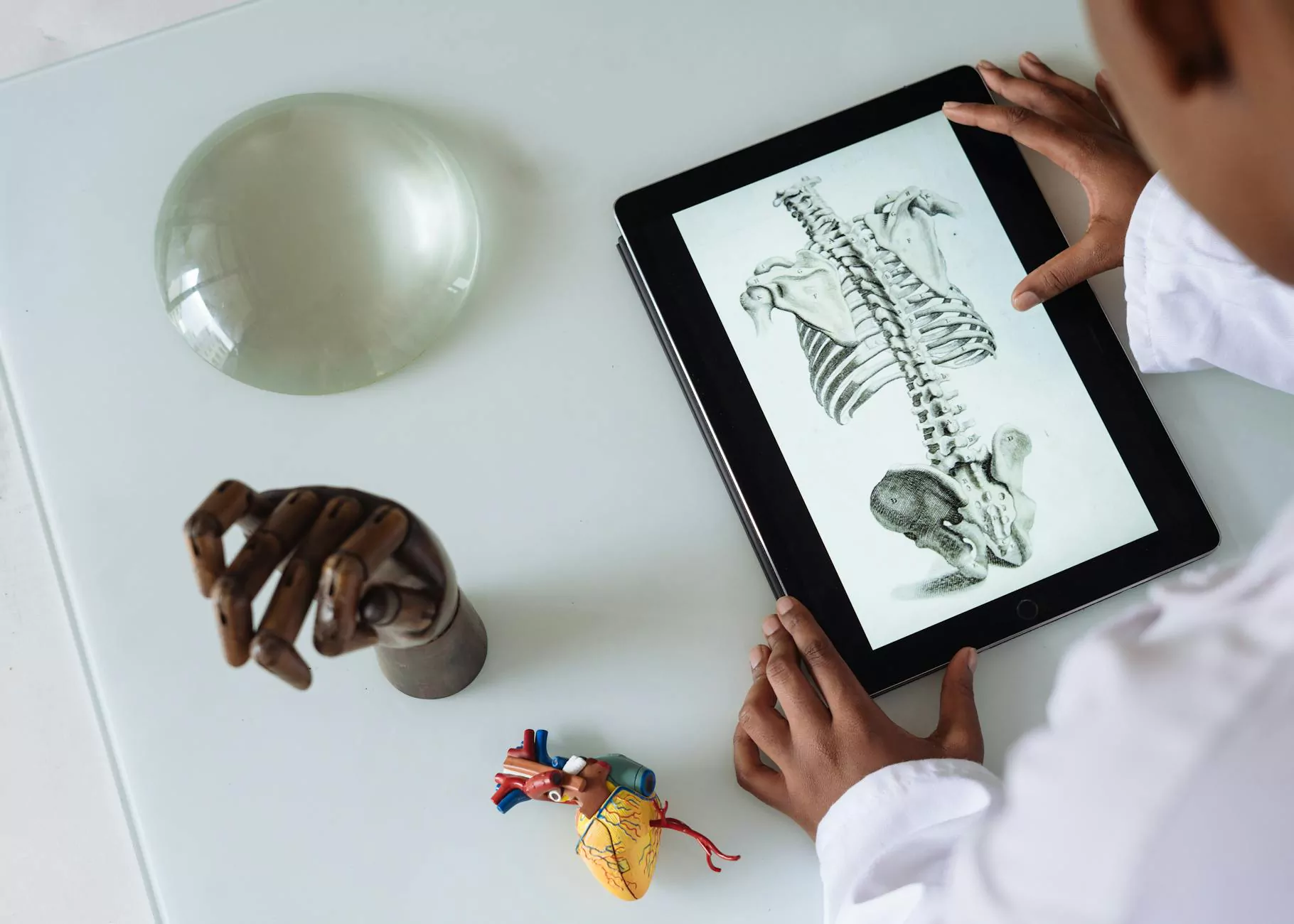
In the rapidly evolving landscape of healthcare technology, medical device factories play a pivotal role in developing, manufacturing, and providing innovative solutions that uphold safety, precision, and efficiency. Among the critical areas within this industry, the focus on radiation shielding materials and radiation shielding devices has gained unprecedented importance. Innovation in these sectors not only enhances patient and medical personnel safety but also propels the entire medical industry toward more advanced and reliable diagnostic and treatment techniques.
Impacts of Cutting-Edge Medical Device Factories on Healthcare Innovation
Modern medical device factories are at the forefront of technological innovation, integrating state-of-the-art manufacturing processes and extensive research to produce sophisticated health solutions. Their contributions extend across various domains, including diagnostic imaging, radiotherapy, and interventional procedures, where precise control over radiation exposure is paramount.
By leveraging advanced materials, innovative designs, and rigorous quality standards, these factories ensure that their products adhere to strict safety and performance criteria. This commitment results in safer procedures, improved patient outcomes, and enhanced operational efficiency for healthcare providers worldwide.
Role of Radiation Shielding in Medical Device Manufacturing
Why Radiation Shielding Is Critical in Healthcare Settings
Radiation shielding is vital in protecting healthcare personnel, patients, and the environment from unnecessary exposure to ionizing radiation emitted during various diagnostic and therapeutic procedures. This is especially crucial given the increasing reliance on imaging modalities such as X-ray, CT scans, and fluoroscopy, which necessitate robust shielding solutions.
Medical device factories specializing in radiation shielding materials and devices develop solutions that meet stringent safety regulations while maintaining optimal functionality. These innovations are essential for minimizing radiation dose to non-target tissues, reducing long-term health risks, and ensuring compliance with international safety standards.
Innovations in Radiation Shielding Materials
- High-Density Lead Composites: Modern lead-based materials with enhanced flexibility and reduced weight provide superior attenuation of ionizing radiation.
- Advanced Polymer-Based Shields: Incorporation of bismuth, tungsten, and other heavy metals into polymers yields lightweight, flexible, and durable shielding options.
- Nanomaterial-Enhanced Shields: Cutting-edge nanotechnology improves shielding effectiveness while reducing bulk and weight.
These high-performance radiation shielding materials are integrated into walls, panels, curtains, and personal protective equipment (PPE), ensuring comprehensive safety coverage across all aspects of medical imaging and treatment facilities.
State-of-the-Art Radiation Shielding Devices
Beyond materials, medical device factories develop innovative radiation shielding devices designed to optimize safety and workflow efficiency. Examples include:
- Mobile and Fixed Shielding Barriers: Adjustable barriers allow flexible protection in busy clinical environments.
- Protective Lead Aprons and Apparel: Ergonomic, lightweight apparel that maintains high protective capabilities.
- Shielded Imaging Rooms and Cabinets: Entire spaces or compartments designed with integrated shielding for safe operation of heavy radiation equipment.
- Real-Time Dose Monitoring Devices: Advanced detectors and alarms that provide instant feedback, ensuring doses remain within safe limits.
Manufacturing Excellence in Medical Device Factories: Ensuring Consistency and Safety
Leading medical device factories combine rigorous quality control with innovative manufacturing techniques to deliver products that meet the highest standards of safety and efficacy. Their processes often include:
- ISO 13485 Compliance: Ensuring quality management systems specifically tailored for medical devices.
- Fine-Tuned Quality Assurance: Extensive testing of materials and finished products, including radiation attenuation effectiveness, durability, and user comfort.
- Automation and Precision Engineering: Utilizing robotics and computer-controlled manufacturing for consistent, high-quality output.
This level of precision ensures that radiation shielding materials and devices perform reliably over their expected lifespan, providing ongoing safety with minimal maintenance.
Innovative Materials Revolutionizing Radiation Shielding
The Shift Toward Eco-Friendly and Lightweight Materials
Traditional lead shielding, while effective, presents environmental and health concerns. The trend in medical device factories is toward developing sustainable, lightweight, and non-toxic alternatives that do not compromise radiation protection. These include:
- Biocompatible Polymer Composites: Combining heavy metal particles with eco-friendly polymers for safer handling and disposal.
- Woven Metal Fabrics: Flexible, fabric-like barriers embedded with tungsten or bismuth for versatile shielding options.
- Nanostructured Coatings: Ultra-thin, highly effective coatings applied to surfaces to enhance shielding without adding bulk.
Enhancing Performance with Smart Materials
Smart materials that respond dynamically to radiation levels are an emerging focus, enabling radiation shielding devices that can adapt to different operational conditions in real-time. These innovations promise to streamline workflows and enhance safety protocols further.
Market Trends and Future Directions in Radiation Shielding
The global market for radiation shielding materials and devices is experiencing significant growth driven by technological advances, increasing diagnostic and therapeutic procedures, and a heightened emphasis on safety standards. Medical device factories are at the heart of this transformation, leveraging groundbreaking research to develop solutions that anticipate future needs.
Key trends include:
- Miniaturization: Developing smaller, more ergonomic shielding components for ease of use.
- Integration with Digital Technologies: Embedding sensors and connectivity features for smarter devices and real-time data collection.
- Customization: Offering tailored shielding solutions to meet specific clinical requirements.
- Sustainability: Emphasizing environmentally friendly manufacturing practices and recyclable materials.
The Unique Advantage of OVM Device in Radiological Safety Solutions
As a premier entity within the medical device factories sector, OVM Device specializes in developing radiation shielding materials and devices that embody excellence, durability, and safety. Their innovation-driven approach ensures that healthcare providers can rely on solutions that not only meet current standards but also set new benchmarks for safety and efficiency.
- Research & Development: Continuous innovation to improve attenuation properties and user ergonomics.
- Custom Solutions: Tailored shielding products designed to fit seamlessly into diverse clinical environments.
- Global Reach: Supplying cutting-edge radiation safety solutions worldwide, maintaining compliance with international standards.
Conclusion: The Indispensable Role of Advanced Medical Device Factories in Healthcare
The future of healthcare hinges on the seamless integration of technology, safety, and innovation. Medical device factories that focus on radiation shielding materials and devices are essential drivers of this progress, ensuring that diagnostic and therapeutic procedures are safer, more reliable, and more effective than ever before. As the industry continues to evolve, the commitment to research, quality, and sustainability will be vital in shaping safer medical environments around the globe.
By partnering with leading manufacturers like OVM Device, healthcare providers can confidently adopt best-in-class shielding solutions that safeguard everyone involved — empowering the industry to push the boundaries of medical science while prioritizing safety.