Sunset Lanes / Journal
Optimal Storage: The Ultimate Guide to Optimum Moisture Content for Stored Grain
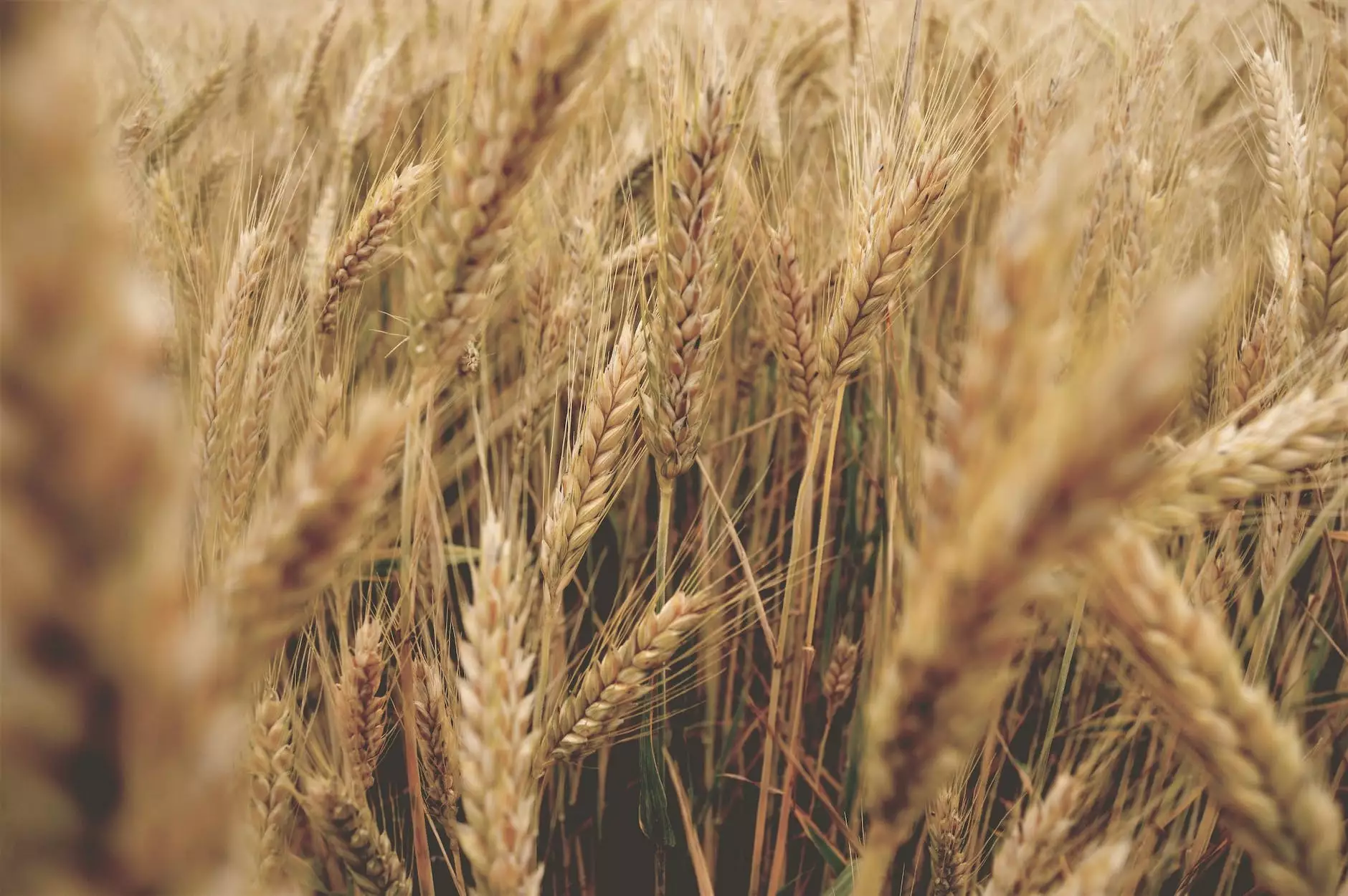
Effective management of stored grain is vital for maximizing crop quality, preventing losses, and ensuring profitable farming operations. One of the most critical factors influencing the longevity and quality of stored grain is maintaining the optimum moisture content for stored grain. This guide offers an in-depth exploration of moisture management, highlighting essential practices, scientific insights, and modern technology tailored for farmers, agronomists, and agricultural equipment professionals associated with TSGC Inc. Whether you are involved in farm equipment repair or managing farming equipment, understanding moisture content is key to enhancing your operational efficiency and crop security.
Understanding the Importance of Moisture Content in Grain Storage
Moisture content refers to the percentage of water present in grain relative to its total weight. It is a crucial determinant of grain stability, weight, and overall quality. Excessive moisture can lead to microbial growth, spoilage, and pest infestation, whereas too little moisture can cause grain cracking and deterioration.
Maintaining the optimum moisture content for stored grain ensures that the stored product remains in excellent condition over extended periods. Proper moisture control reduces the risk of mold development, insect infestation, and biochemical deterioration. Additionally, optimal moisture levels contribute to reduced storage costs, minimized spoilage losses, and preserved nutritional value, thus ensuring a high market value for your crops.
The Scientific Basis for Determining Optimum Moisture Content for Stored Grain
The optimum moisture content varies among different types of grains, but there is a general range that is universally accepted by agricultural scientists and storage specialists. This range is informed by extensive research into grain physiology, microbial activity, and storage behavior.
- Corn (Maize): 13-15% moisture
- Wheat: 12-14% moisture
- Soybeans: 13-15% moisture
- Rice: 14-15% moisture
- Barley: 12-14% moisture
Storing grains within these moisture ranges significantly reduces the risk of deterioration. It's worth noting that below these levels, grains may become brittle, and above them, the likelihood of spoilage increases exponentially.
Factors Influencing Optimal Moisture Content in Grain Storage
Determining and maintaining the optimum moisture content for stored grain requires understanding various factors that influence moisture levels. These include:
Climate and Humidity Conditions
Regions with high humidity or frequent rainfall pose additional challenges in moisture regulation. Proper aeration and drying techniques are essential in such environments to prevent moisture ingress.
Type of Grain
Different grains have unique physiological characteristics affecting their moisture needs and storage behavior. Tailoring moisture content control practices to the specific grain type enhances storage stability.
Storage Duration
The intended storage duration impacts moisture level considerations. Long-term storage necessitates stricter moisture control to prevent slow deterioration over time.
Storage Infrastructure
Effective silo design, proper sealing, and ventilation systems are vital in maintaining consistent moisture levels and protecting grains from environmental fluctuations.
Techniques for Achieving and Maintaining Optimum Moisture Content
Implementing the right techniques ensures grains are stored at their optimal moisture levels, promoting quality retention and reducing losses.
Pre-Harvest Moisture Management
Farmers should monitor crop moisture during harvest. Harvesting grains at the right moisture content—usually below 20%—prevents initial spoilage and facilitates more effective drying processes.
Mechanical Drying
Heating and air drying, using either natural or mechanical methods, is a primary approach to reduce excess moisture. Modern grain dryers with adjustable settings enable precise moisture control, conserving energy and preserving grain integrity.
Natural Air Drying
Utilizing ambient air through ventilation systems can effectively dry grains in favorable climatic conditions. Proper aeration ensures uniform moisture reduction and prevents spoilage hotspots.
Moisture Measurement and Monitoring
Accurate moisture meters—both handheld and in-line sensors—are essential tools. Regular monitoring allows for timely adjustments, ensuring grains stay within the optimal moisture range.
Sealing and Insulation
Proper sealing of storage facilities prevents moisture ingress from the environment. Insulation minimizes temperature fluctuations, which can cause condensation and increase moisture levels inside storage units.
The Impact of Improper Moisture Control on Grain Quality and Business Profitability
Failing to control moisture content effectively leads to significant economic losses including:
- Reduced grain quality: Mold, insects, and biochemical changes deteriorate nutritional value and appearance.
- Increased spoilage: Wet grains foster fungal growth causing mycotoxins, hazardous for both human and animal consumption.
- Storage losses: Higher moisture levels accelerate deterioration, necessitating costly re-drying or disposal.
- Market disadvantages: Grain with inconsistent moisture content is less desirable and may fetch lower prices.
By diligently maintaining the optimum moisture content for stored grain, farmers and storage operators protect their investment, uphold quality standards, and secure a competitive edge in the marketplace.
Best Practices for Ensuring Continued Grain Quality During Storage
- Regular Inspection: Routinely check for signs of mold, pests, or moisture seepage.
- Adequate Ventilation: Maintain airflow to prevent condensation and excess humidity.
- Temperature Control: Keep storage temperatures stable, ideally between 10-15°C, to inhibit pest and microbial activity.
- Moisture Monitoring: Use digital sensors and test regularly to detect moisture deviations early.
- Crop Rotation: Avoid overstocking and plan for timely marketing to reduce storage durations.
Role of Advanced Equipment and Technology in Moisture Management
Modern farming equipment and storage technology offer innovative solutions for moisture regulation:
- Automatic Moisture Sensors: Provide real-time data for better decision-making.
- Enhanced Grain Dryers: Use digital controls to target specific moisture levels effectively.
- Sealed Storage Silos: Minimize environmental impact and maintain stable internal conditions.
- Integrated Monitoring Systems: Combine temperature, humidity, and visual inspection data for comprehensive management.
Investing in these technologies significantly improves the ability to maintain the optimum moisture content for stored grain, leading to higher quality storage outcomes and increased business profitability.
Conclusion: Achieving Excellence in Grain Storage through Moisture Control
In the competitive world of agriculture, understanding and managing the optimum moisture content for stored grain is not just a technical necessity—it's a strategic advantage. Proper moisture regulation enhances grain quality, reduces losses, and boosts economic returns. It requires a combination of scientific knowledge, modern equipment, and diligent management practices.
For professionals involved in farm equipment repair and managing farming equipment, integrating moisture control solutions into your operational workflow maximizes efficiency and crop preservation. Partner with trusted experts at TSGC Inc to access cutting-edge technology, comprehensive training, and tailored solutions designed to optimize your grain storage practices. By prioritizing moisture management today, you secure a prosperous and sustainable farming future.