Sunset Lanes / Journal
The Impact of Waiting Room Colors on Business Experience
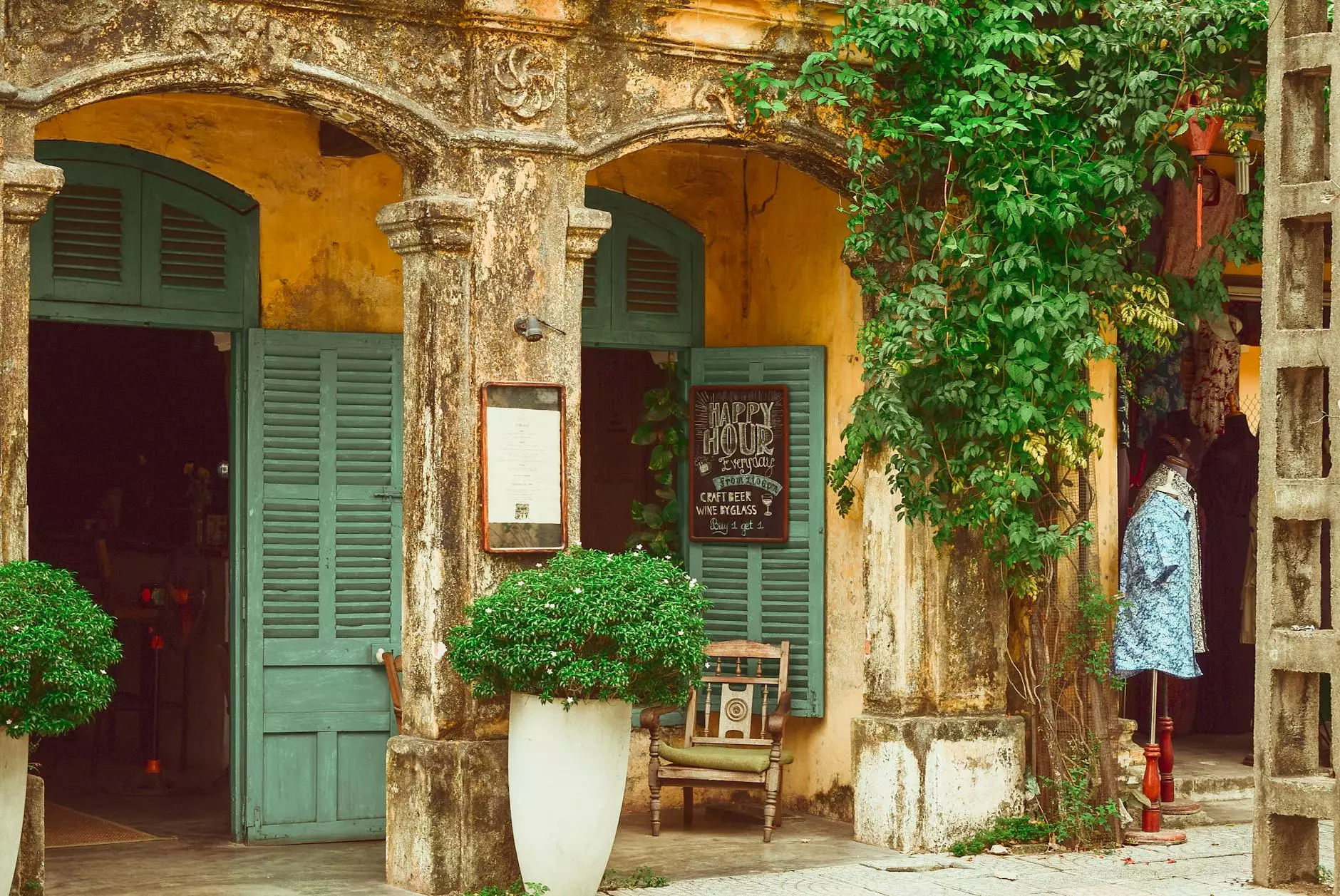
The ambiance of a waiting room is crucial in shaping the perception of a business, especially in service-oriented industries such as healthcare, law, and general contracting. The colors chosen for a waiting space can have a significant impact on clients' emotions, expectations, and overall experiences. In this article, we will explore the psychology behind color choices, the best winter room colors, and how they can enhance your business's atmosphere.
The Psychology of Color
Colors are more than just visual stimuli; they are powerful communicators that influence our emotions and behaviors. Understanding the psychology behind color selection can help businesses create the desired atmosphere for their clients. Here are some key aspects to consider:
Warm Colors
Warm colors such as red, orange, and yellow can evoke feelings of warmth and comfort. However, these colors can also lead to increased anxiety if overused. In a waiting room, a balanced approach using warm color accents can stimulate energy and engagement.
Cool Colors
Cool colors like blue, green, and purple are associated with calmness and tranquility. These colors help to create a relaxing environment, making clients feel at ease while they wait. Research shows that shades of blue can lower heart rate and reduce stress levels, making them ideal for healthcare facilities.
Choosing the Right Colors for Your Waiting Room
When selecting waiting room colors, it's essential to consider your brand, the services you provide, and the atmosphere you want to create. Here are some effective strategies:
1. Align Colors with Your Brand
Your business's color palette should reflect your brand identity. For instance, a general contractor may choose earthy tones to convey reliability and stability, while a trendy tech startup might prefer sleek, modern hues. When your colors align with your brand message, it creates a cohesive experience for clients.
2. Consider the Psychological Effects
As previously mentioned, different colors evoke various emotions. Here's a breakdown of how certain colors can impact mood:
- Blue: Calming, promotes trust and tranquility.
- Green: Refreshing, symbolizes peace and balance.
- Yellow: Energetic and optimistic, but can be overwhelming in excess.
- Gray: Neutral and sophisticated, but can feel cold if not balanced with warmer tones.
3. Use Accent Colors Wisely
Incorporating accent colors through artwork, furniture, or decor can enhance the main color scheme without overwhelming the space. For instance, a predominantly blue waiting room can be accentuated with orange cushions for a pop of warmth. This creates a dynamic environment that draws attention and interest.
Success Stories: Businesses Utilizing Color Successfully
Numerous businesses have successfully applied the principles of color psychology in their waiting rooms, resulting in enhanced customer satisfaction. Here are a few examples:
Healthcare Facilities
Many healthcare providers, such as hospitals and clinics, have opted for calming colors such as soft greens and blues. For example, a children’s hospital might implement bright, cheerful colors that stimulate positivity and reduce anxiety in young patients.
Spas and Wellness Centers
Spas often utilize earthy tones like soft browns and greens to create a serene atmosphere. These colors not only invoke peace but also reinforce the natural theme typically associated with wellness and relaxation.
Businesses in General Contracting
For general contractors like those at Antham Group, using colors that reflect professionalism and reliability is key. Shades of gray combined with warm wood tones can create an environment that speaks to trustworthiness while still being inviting.
Layout and Design Considerations
While colors are crucial, the layout and design of the waiting room also play an essential role in the overall experience. Here are some design considerations to keep in mind:
1. Open Spaces vs. Clusters
Creating an open space can make the waiting process feel less intimidating. Avoid clustering seating too close together to maintain a sense of personal space and comfort.
2. Incorporate Natural Elements
Integrating plants or nature-inspired decor can enhance the calming effects of your color choices. Not only do plants improve air quality, but they also promote a connection to nature that many people find soothing.
3. Artistic Expression
Consider incorporating local artwork or photography that represents your community. This adds a personal touch and can spark conversations between clients and staff, making the waiting experience more pleasant.
Tips for Implementing Color Changes
Changing the color scheme of your waiting room can seem daunting, but with careful planning, it can be a smooth process. Here are some practical tips:
1. Assess Your Current Space
Before making any changes, evaluate your current waiting room. Identify what works and what doesn’t. Take note of the colors that already exist and their current emotional impact.
2. Gather Feedback
Engage your staff and regular clients in the process. Their input can provide valuable insights into what colors they feel resonate best with the clientele.
3. Create a Color Board
Assemble a color board with samples of potential choices. This visual tool will help you assess how different colors interact with each other and the overall vibe they create.
4. Test Before Committing
Before fully committing to new colors, consider painting a small section of a wall or using fabric swatches to see how the colors look in different lighting conditions throughout the day.
Conclusion: The Transformative Power of Color
In conclusion, the selection of waiting room colors should not be underestimated. Colors play a crucial role in creating an environment that fosters comfort, trust, and positivity. By understanding the psychology of colors and aligning them with your business identity, you can significantly enhance your clients' experience.
For businesses like Antham Group, taking the time to carefully select and implement the right colors in your waiting room not only reflects your brand values but also makes a lasting impression on your clients. Remember, a well-designed waiting room can be a silent ambassador for your brand, setting the tone even before a client interacts with your services.
Ultimately, the right colors combined with thoughtful design can lead to a welcoming atmosphere that encourages referrals, repeated visits, and a strong reputation within your community.