Sunset Lanes / Journal
The Benefits of Thermal Transfer Label Printers for Modern Businesses
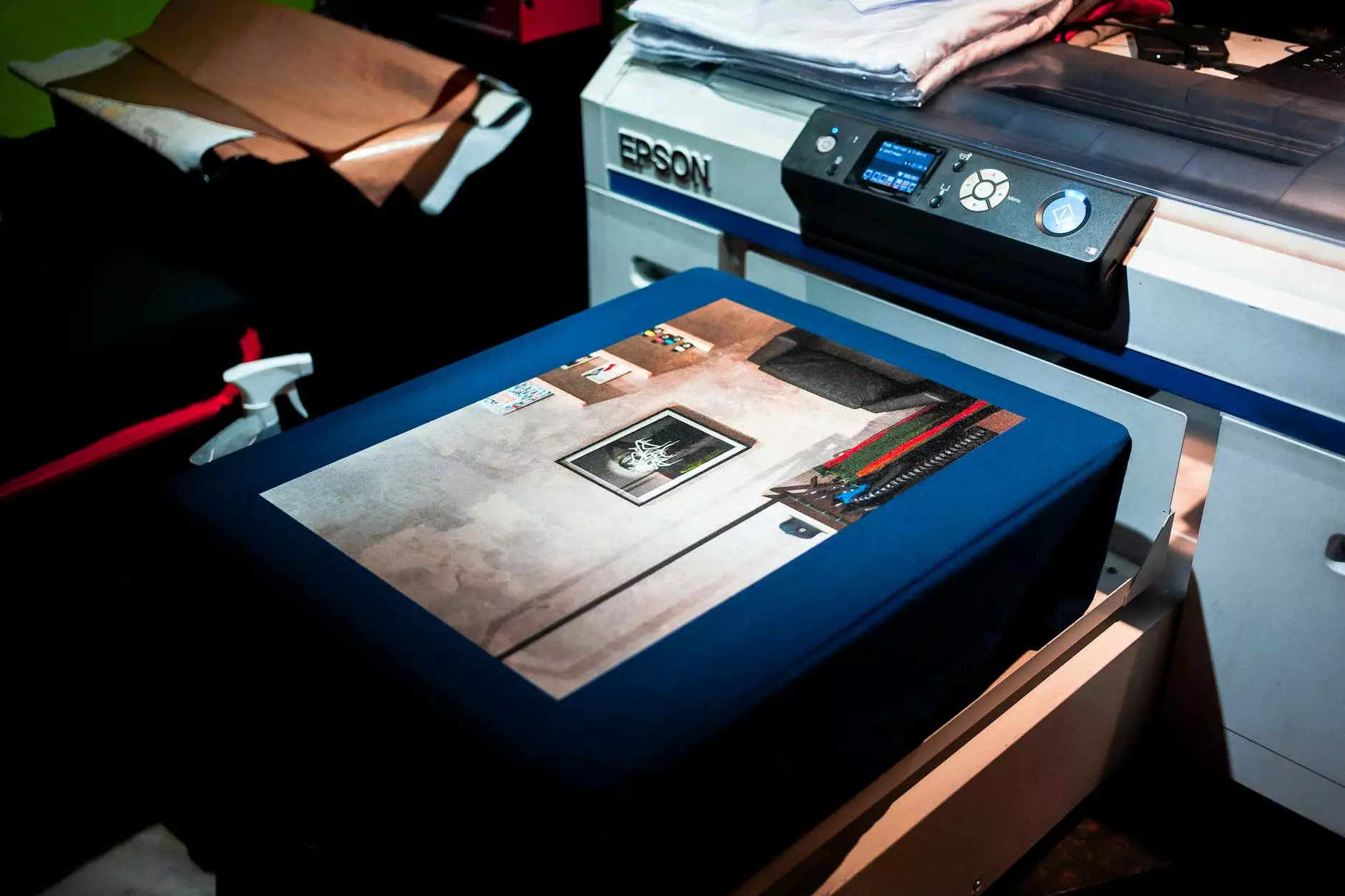
In today’s fast-paced business world, efficiency and accuracy are crucial for maintaining a competitive edge. One of the key tools that streamline operations, particularly in manufacturing, logistics, and inventory management, is the thermal transfer label printer. The following article delves into the compelling reasons to invest in these devices, especially for businesses operating in the Printing Services, Electronics, and Computers categories.
What is a Thermal Transfer Label Printer?
A thermal transfer label printer is a printing device that uses heat to transfer ink from a ribbon onto a label. This method is known for producing high-quality and durable labels that can withstand various environmental conditions. Unlike direct thermal printing, which uses heat-sensitive paper, thermal transfer technology utilizes a ribbon, allowing for more versatile label options and longevity.
Key Advantages of Thermal Transfer Label Printers
- Durability: Thermal transfer labels are resistant to fading, water, chemicals, and abrasion. This makes them ideal for a wide array of applications, including product labeling in manufacturing and batch tracking in logistics.
- High Print Quality: These printers provide sharp images and text, which is essential for barcodes and graphics that require precise scanning capabilities.
- Wide Variety of Media: You can print on various materials, including paper, polyester, and vinyl, catering to different labeling needs.
- Cost-Effectiveness: Although the initial cost may be higher, the longevity and durability of the labels save money in the long run by reducing replacement frequency.
- Customization Options: Thermal transfer printers can easily be adjusted to produce different sizes and styles of labels according to specific business needs.
Applications of Thermal Transfer Label Printers
The versatility of thermal transfer label printers allows for their application across various industries. Here are some notable use cases:
1. Healthcare Industry
In healthcare, accurate labeling is paramount. Thermal transfer printers are widely used for:
- Patient Wristbands: These need to be durable and resistant to water and alcohol.
- Medication Labels: Clear and legible labeling ensures patient safety and compliance with regulations.
- Lab Specimen Labels: They must withstand prolonged storage and transportation conditions.
2. Retail Sector
In retail, branding is essential. Thermal transfer label printers assist in:
- Product Price Labels: High-quality printing ensures clear visibility of prices and product information.
- Promotional Labels: Eye-catching graphics can enhance marketing efforts.
- Inventory Management: Barcode printing enhances tracking efficiency.
3. Manufacturing
Manufacturers rely on thermal transfer label printers for:
- Packaging Labels: Critical for communicating product information effectively.
- Asset Tracking: Labels for machinery and equipment streamline operations and maintenance.
- Shipping Labels: Simplify logistics and tracking processes.
Factors to Consider When Choosing a Thermal Transfer Label Printer
When selecting the right thermal transfer label printer for your business, consider the following factors:
1. Print Resolution
For businesses that require high-quality images or barcodes, a printer with a resolution of at least 300 dpi is advisable. This resolution provides clarity that is essential for effective scanning.
2. Printing Speed
Depending on your volume of printing, speed can be a deciding factor. Look for printers that offer customizable print speeds to appreciate efficiency without compromising quality.
3. Connectivity Options
Ensure the printer has versatile connectivity options, such as USB, Ethernet, or Bluetooth, to integrate seamlessly into your existing systems.
4. Media Compatibility
Choose a printer that supports various label sizes and materials to meet your evolving needs. The ability to print labels from multiple media types adds flexibility to your operations.
5. Software Integration
The ability to integrate with existing software is crucial. Check if the printer is compatible with industry-standard design and printing software to simplify operations.
Maintenance Tips for Thermal Transfer Label Printers
To maximize the longevity and performance of your thermal transfer label printer, consider these maintenance tips:
- Regular Cleaning: Dust and debris can affect print quality. Regularly clean the print head and platen roller with appropriate cleaners.
- Use High-Quality Ribbons: Always choose compatible and high-quality ribbons to avoid printing issues.
- Monitor Print Quality: Keep an eye on the quality of prints and make necessary adjustments if you notice any drop in quality.
- Scheduled Servicing: Consider having your printer serviced regularly to prevent unexpected downtime.
The Future of Thermal Transfer Label Printing
The future of thermal transfer label printers looks bright with advancements in technology. Innovations like smart printers that connect to the Internet of Things (IoT) are making it easier to manage printing needs remotely. Furthermore, eco-friendly printing options are on the rise, attracting businesses aiming for sustainability.
Conclusion
Investing in a thermal transfer label printer can profoundly impact your business operations, enhancing efficiency and accuracy while offering a durable labeling solution. As industries continue to evolve, these printers will play a crucial role in adapting to new challenges and meeting customer demands. Whether your business is in the realm of Printing Services, Electronics, or Computers, the benefits of thermal transfer label printers are undeniable.
For more information about the latest in printing technology and how it can serve your business needs, explore our services at omegabrand.com.