Sunset Lanes / Journal
Commercial Access Control: Enhancing Security and Efficiency in Modern Businesses
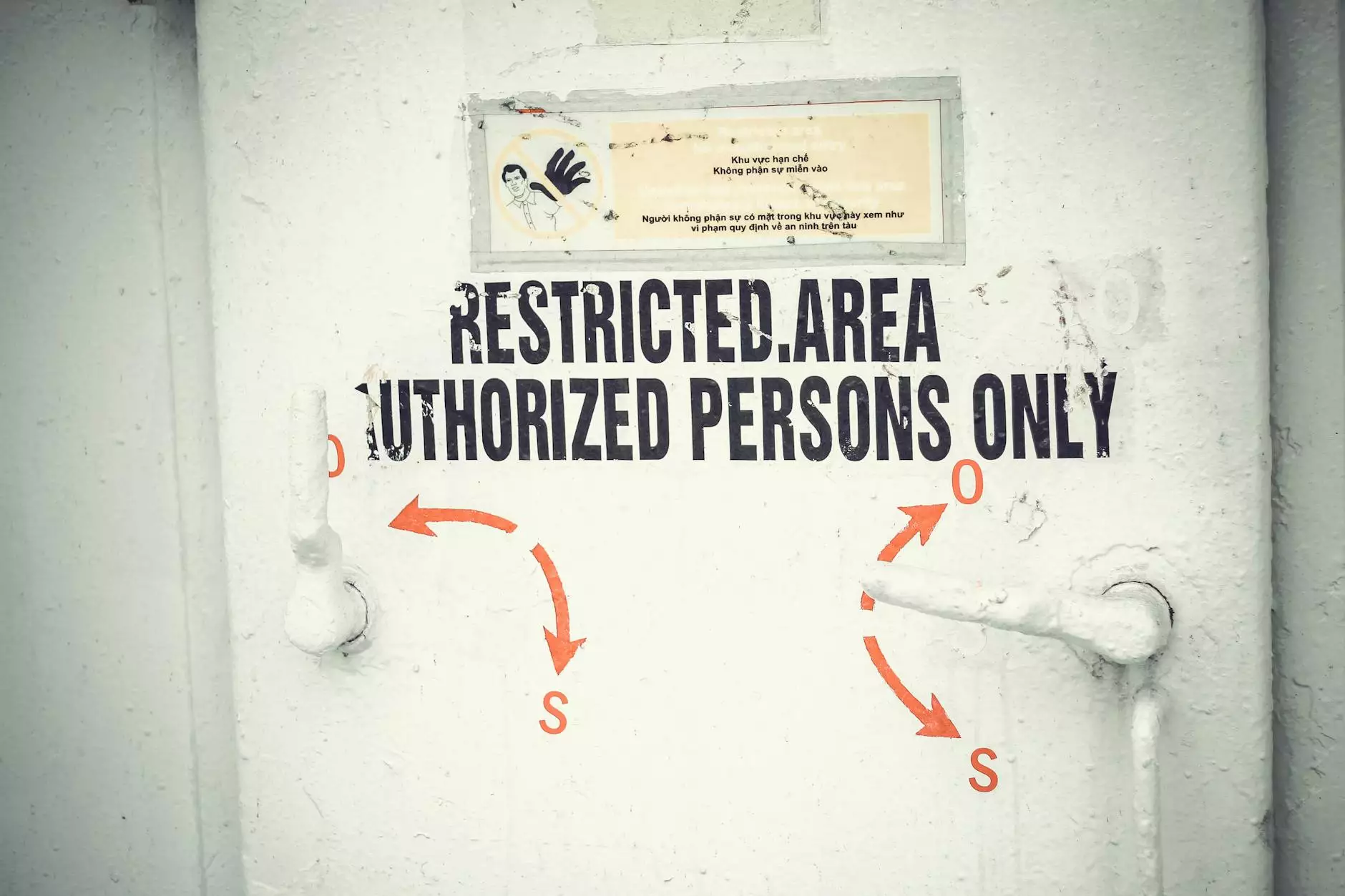
In today's fast-paced business environment, security is a top priority for organizations across various industries. One vital component that contributes to robust security solutions is commercial access control. These systems not only protect assets but also streamline operations, making them an indispensable part of contemporary organizational frameworks.
Understanding Commercial Access Control
Commercial access control refers to the methods and mechanisms used to limit access to certain areas within a business premises. This is achieved through a combination of hardware, software, and procedures designed to manage who can enter or leave specific spaces. The primary objective is to safeguard sensitive information, equipment, and personnel. It transcends mere lock and key systems, utilizing advanced technology to create a secure yet accessible environment.
The Importance of Access Control in Business
Implementing an effective access control system is crucial for several reasons:
- Enhanced Security: By regulating who can enter specific areas, businesses can significantly mitigate the risk of theft, vandalism, and unauthorized access.
- Employee Safety: Access control systems help ensure that only authorized personnel can enter sensitive or hazardous areas, protecting employees from potential dangers.
- Operational Efficiency: Streamlined access means reduced time spent on manual checks and increased workflow, allowing personnel to focus on their core responsibilities.
- Audit Trails: Modern systems provide valuable data on who accessed certain areas and when, which can be crucial for incident investigations and compliance with regulatory requirements.
Types of Commercial Access Control Systems
Commercial access control systems come in various forms, each suited to different business needs. Here’s a comprehensive overview:
1. Physical Access Control Systems
These are the traditional systems that use physical barriers to restrict access. They include:
- Locks and Keys: The most basic form of access control, but can be easily compromised.
- Keypads: Requiring a numeric code to gain entry, these are more secure than traditional locks.
- Card Access Systems: Employees use a card that contains encoded information, providing a higher level of security.
2. Electronic Access Control Systems
These systems use electronic devices to manage access effectively:
- Smart Locks: These locks can be programmed through apps, providing flexibility and ease of control.
- Biometric Systems: Utilizing fingerprints, retina scans, or facial recognition technology, these systems offer high security.
- Mobile Access Control: Employees can use their smartphones as access credentials, combining convenience with advanced security features.
3. Cloud-Based Access Control
As businesses increasingly embrace tech-driven solutions, cloud-based access control is emerging as a popular choice:
- Scalability: Cloud-based systems can easily scale with a business as it grows.
- Remote Management: Administrators can manage access controls from anywhere with an internet connection.
- Cost-Effectiveness: Reduces the need for extensive on-site hardware and maintenance costs.
Benefits of Implementing Commercial Access Control
Investing in a robust commercial access control system comes with myriad benefits:
1. Improved Security Posture
By limiting access to areas based on authorization levels, companies can significantly enhance their overall security. This is particularly important for areas containing sensitive data or valuable assets.
2. Increased Operational Efficiency
With automated access control systems, businesses can reduce the time spent on managing who enters and leaves key areas. This allows employees to focus on their work rather than handling security tasks.
3. Enhanced Monitoring and Reporting
Commercial access control systems provide detailed access logs. These logs are invaluable for understanding usage patterns, identifying potential breaches, and ensuring compliance with industry regulations.
Choosing the Right Access Control System
Selecting the appropriate commercial access control system for your business involves several key considerations:
- Business Size: Small businesses may require simpler systems, while larger enterprises might benefit from advanced solutions with detailed reporting features.
- Type of Facility: Consider the layout and security needs of your facility. High-risk areas will require more rigorous measures compared to low-risk zones.
- Budget: Determine your budget early to ensure you choose a system that offers the best features without compromising on quality.
- Integration with Other Systems: Your access control system should seamlessly integrate with other security measures, such as surveillance cameras and alarm systems.
Case Studies: Successful Implementation of Access Control Systems
Many organizations have successfully integrated commercial access control systems, transforming their security frameworks:
Case Study 1: A Corporate Office
In a large corporate office, the introduction of a biometric access control system replaced traditional lock and key measures. Employees now gain access through fingerprint recognition, significantly reducing unauthorized access incidents. This implementation also streamlined guest access, making it easier for the organization while enhancing security.
Case Study 2: A Healthcare Facility
A hospital adopting a cloud-based access control system improved its compliance with healthcare regulations. The ability to remotely manage access during emergencies allowed the staff to protect sensitive areas efficiently while maintaining operational functionalities.
The Future of Commercial Access Control
The landscape of commercial access control is continuously evolving, adopting new technologies to address emerging security challenges. Artificial Intelligence (AI) and machine learning are becoming integrated into access control solutions, enabling predictive analytics and behavioral monitoring to further enhance security measures.
1. Integration of AI-Led Solutions
AI technology allows access control systems to learn from patterns and detect anomalies, further improving response times in case of potential threats. This predictive capability presents an advantage for proactive security measures.
2. Enhanced User Experience with Mobile Solutions
With the rise of smartphones, mobile access control will likely become more common, allowing users to manage their access permissions seamlessly while providing convenience and heightened security features.
Conclusion
In conclusion, commercial access control is not merely a security feature; it's a strategic business investment that enhances overall security, operational efficiency, and employee safety. As technologies evolve, so too will the capabilities of access control systems, offering organizations more robust and flexible security solutions. Embracing these advancements is essential for businesses aiming to protect their assets and ensure smooth operational flows in an increasingly complex security landscape.
For businesses seeking comprehensive telecommunications, IT services, computer repair, and internet service solutions, understanding and implementing commercial access control systems is foundational to building a secure operational environment. At Teleco.com, we are committed to providing state-of-the-art solutions that not only meet but exceed your business needs.