Sunset Lanes / Journal
Stunning Lighting Installations: Transforming Spaces into Art
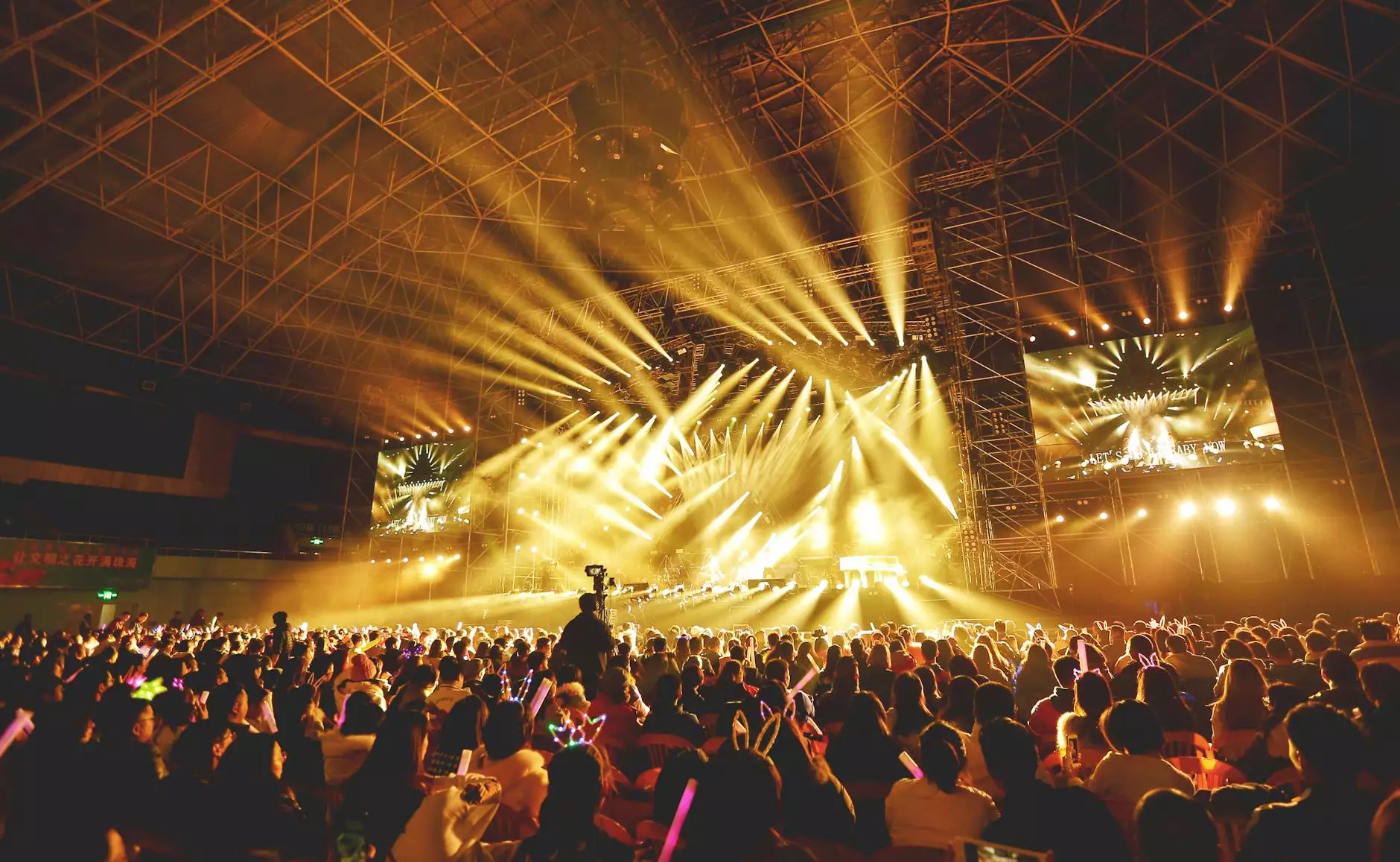
In the realm of arts and entertainment, few elements are as transformative as lighting installations. These innovative arrangements of light not only enhance the aesthetic appeal of spaces but also evoke emotions and enhance experiences. This article delves deep into the significance of lighting installations, their applications, and how they can elevate art galleries to new heights.
The Power of Lighting in Art
Lighting is an essential component of any artistic expression. It can shape perceptions, create atmospheres, and guide viewers' attention. Here’s how lighting installations function within the broader context of art:
- Highlighting Features: Proper lighting can accentuate key features of artwork, ensuring that intricate details are visible and colors appear vibrant.
- Creating Mood: Ambient lighting can set the tone for an exhibition, influencing the emotional response of visitors. Warm hues may evoke comfort, while cooler tones can create a sense of serenity.
- Directing Traffic: Strategic placement of lights can guide visitors through an exhibit, leading them to focal points and influencing the flow of movement.
Innovative Techniques in Lighting Installations
Artists and designers are continuously pushing the boundaries of lighting installations to redefine how we experience art. Some of the most innovative techniques include:
- Projection Mapping: This technique involves projecting visual content onto surfaces, allowing static objects to take on dynamic qualities and creating immersive environments.
- Interactive Lighting: Utilizing sensors and technology to create responsive installations that engage audiences and encourage participation.
- LED Technology: The use of energy-efficient LED lights not only reduces costs but also offers versatile color options and programmable effects, making it easier to adapt to various themes.
The Role of Lighting Installations in Art Galleries
Art galleries serve as sanctuaries for artistic expression, and the role of lighting installations is paramount in this setting. Here’s how effective lighting can revolutionize gallery spaces:
Enhancing Visitor Experience
A well-lit gallery enhances the overall visitor experience. Distinct lighting can invite spectators to closely examine artworks, fostering a profound connection with the pieces on display. By utilizing various light intensities and colors, curators can dictate how long visitors spend in specific areas of the gallery.
Highlighting Artistic Intent
Beyond mere visibility, lighting can articulate an artist's vision. For instance, a dramatic spotlight may reflect the intensity of a particular piece, while softer ambient lighting can complement serene landscapes. This artistry in lighting allows for a multidimensional experience of the art.
Creating Themes and Narratives
Every exhibition narrates a story, and the right lighting can underscore this narrative. Themed exhibitions can utilize lighting to create cohesive experiences, immersing visitors in a world that reflects the curator's intent. For example, an exhibition focused on nocturnal landscapes could use soft blue lights to simulate moonlight, enhancing the thematic experience.
Examples of Iconic Lighting Installations
Throughout history, some lighting installations have left indelible marks on the landscape of art. Here are a few iconic examples that showcase the profound impact of lighting:
- The Starry Night Project: Inspired by Van Gogh's masterpiece, this installation uses lights to create a swirling night sky, inviting viewers into the painter's dream-like world.
- Tokyo Tower Light Show: A breathtaking display that utilizes synchronized lights and music, transforming the iconic Tokyo Tower into an artistic beacon, drawing viewers from miles away.
- Alberto Seveso's Light Sculptures: Incorporating light and color, Seveso creates ethereal forms that play with perception, inviting users to engage with them from different perspectives.
Challenges in Lighting Installations
Despite their many benefits, lighting installations come with their own set of challenges:
- Cost: High-quality lighting setups can be expensive, involving costs for equipment, installation, and ongoing maintenance.
- Technical Knowledge: Implementing advanced lighting installations requires expertise in lighting design, programming, and technology, necessitating collaboration with skilled professionals.
- Environmental Concerns: There is an ongoing effort within the industry to use lighting solutions that minimize energy consumption and environmental impact.
Future Trends in Lighting Installations
As technology evolves, so does the world of lighting installations. Here are some trends to watch for:
Smart Lighting Solutions
The rise of smart technology enables installations that can be controlled remotely, adjusted based on the time of day, or changed interactively by the audience. This trend is poised to enhance visitor engagement significantly.
Biophilic Design
Integrating natural elements with lighting design can enhance the connection between art and nature. Designers are increasingly creating installations that mimic natural lighting conditions, contributing to a harmonious experience.
Augmented Reality (AR) in Lighting
The incorporation of AR into lighting installations can provide viewers with rich, layered experiences, combining visual art with interactive elements that respond to the audience’s engagement.
Conclusion: The Lasting Impact of Lighting Installations
As we've explored, lighting installations serve as the bridge between art and audience, transforming everyday spaces into realms of creativity and inspiration. Whether in a gallery, at an event, or within public art installations, lighting plays a crucial role in shaping our experiences and perceptions of art. Embracing this potential not only enhances individual projects but also fosters a deeper appreciation for the arts and entertainment world.
For those looking to explore how lighting can impact their art spaces, consider reaching out to professionals who specialize in innovative lighting design and installations. The possibilities are endless, and the journey into the illuminated world of art can lead to extraordinary experiences.